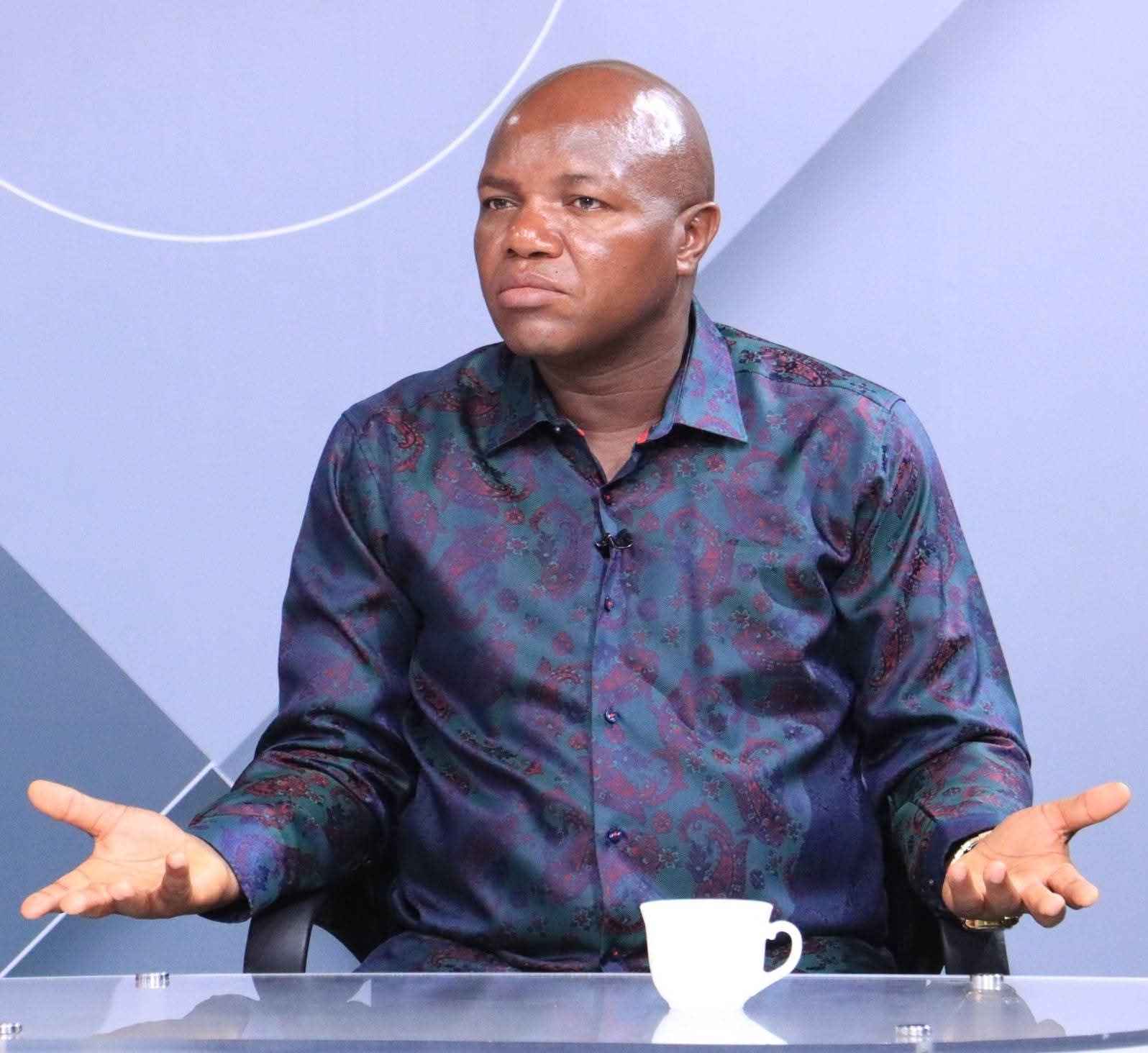
 Machakos Deputy Governor Francis Mwangangi. File Photo.


By Andrew Mbuva.
Machakos Deputy Governor Francis Mwangangi has criticized the Kenya Kwanza administration over what he termed as inadequate budgetary allocations to county governments, accusing the national government of deliberately weakening devolution.
Speaking on the recently approved national budget, Mwangangi faulted the allocation of KSh 428 billion to counties, arguing that it fell short of the KSh 440 billion sought by county governments and undermined efforts to spur development at the grassroots.
According to the Deputy Governor, the allocation reflects a lack of commitment by the government towards devolution, which he described as one of the most transformative pillars of the Constitution.
Mwangangi further argued that the Constitution envisions counties receiving at least 15 percent of nationally raised revenue, claiming that the current allocation fails to meet the spirit of that requirement and continues to hamper service delivery and economic empowerment at the local level.
He questioned the government's decision to increase funding to certain national ministries while reducing resources available to counties, saying such priorities disregard the welfare of ordinary Kenyans who depend on devolved services.
The Deputy Governor also took issue with Members of Parliament, accusing them of failing in their constitutional duty to safeguard devolution. He claimed Parliament had become overly aligned with the Executive and was no longer adequately representing the interests of wananchi.
"The Parliament has been captured by the state at the expense of the electorate, and it is time ordinary Kenyans stand up and defend their interests," Mwangangi said.
He further criticized President William Ruto's administration over what he described as excessive spending on foreign travel while essential public services remain underfunded.
Mwangangi also opposed the government's proposal to borrow an additional KSh 1.1 trillion to bridge the budget deficit, arguing that increased borrowing would place a heavier burden on taxpayers without delivering meaningful benefits to citizens.
He maintained that prudent management of public resources and increased support for county governments would be a more effective strategy for accelerating development and improving the livelihoods of Kenyans