 Utooni Development Organisation Chief Executive Officer Regina Kamau in a Media Interview after a stakeholders’ meeting that brought together community members, conservation agencies, and government representatives to deliberate on lasting solutions to the persistent wildlife menace. Photo by Mutune wa Ngumu.


By Mutune wa Ngumu.
Residents of Kibwezi East in Makueni County have called for urgent and coordinated action to address the growing human–elephant conflict that has continued to devastate farms, destroy property, and endanger lives in the region.
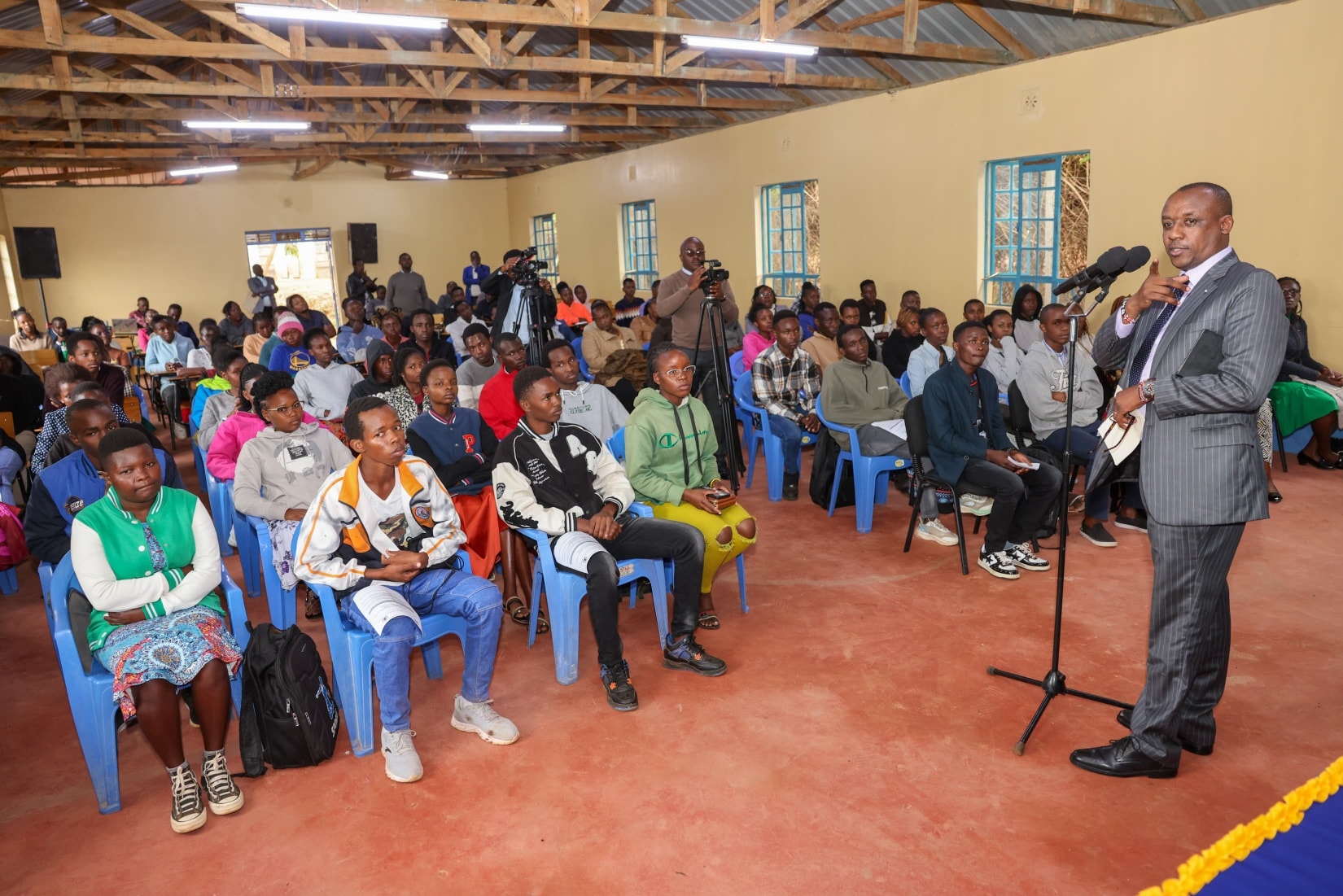
The concerns emerged during a stakeholders’ meeting that brought together community members, conservation agencies, and government representatives to deliberate on lasting solutions to the persistent wildlife menace.
Speaking during the forum, Utooni Development Organisation Chief Executive Officer Regina Kamau said stakeholders had agreed on a comprehensive work plan that assigns clear responsibilities to all parties involved in tackling the problem.
Kamau noted that farmers who have undergone training on wildlife conflict management now understand that resolving the issue requires a structured and collaborative process involving the county government, the national government, the Kenya Wildlife Service (KWS), and local communities.
She emphasized that the meeting helped clarify roles and procedures, particularly regarding the wildlife compensation framework.
According to Kamau, the community now has a better understanding of the compensation process and where to report incidents, reducing the blame and misunderstandings that previously characterized such discussions.
“We have agreed to implement the work plan together, with every stakeholder taking responsibility. By working jointly with the county government, national government, KWS, and the community, we believe we can arrive at a permanent solution,” she said.
Kamau also welcomed the shift in tone during the discussions, noting that residents had demonstrated greater awareness of the established procedures for lodging compensation claims after wildlife-related incidents.
However, local residents expressed frustration over the continued destruction caused by elephants and the slow pace of compensation for victims.
Samson Wambua, a resident of Kisayani in Kikumbulyu North Ward, said the elephant problem has become increasingly severe, with the animals frequently invading farms and settlements.
Wambua said farmers have endured repeated crop destruction, injuries, and in some cases loss of life due to elephant attacks.
“We keep holding meetings to discuss the elephant problem, but the situation does not seem to improve. Elephants have their designated habitats, just as citizens have places where they live and farm, so it is worrying that they continue to encroach into our communities,” he said.
He questioned why the conflict persists despite the presence of elected leaders and government institutions mandated to address such issues.
Wambua also raised concerns about delays in compensation for victims of wildlife attacks, saying the process often takes years before claims are resolved.
“In many cases, compensation takes so long that by the time it is processed, the affected families have already moved on or forgotten about the incident. We are appealing to the government to ensure that compensation for destroyed crops, injured persons, or deaths caused by wildlife is handled quickly,” he said.
Residents now hope that the newly agreed work plan and strengthened collaboration between government agencies and the community will lead to practical interventions that reduce elephant incursions and protect both livelihoods and lives in the region.