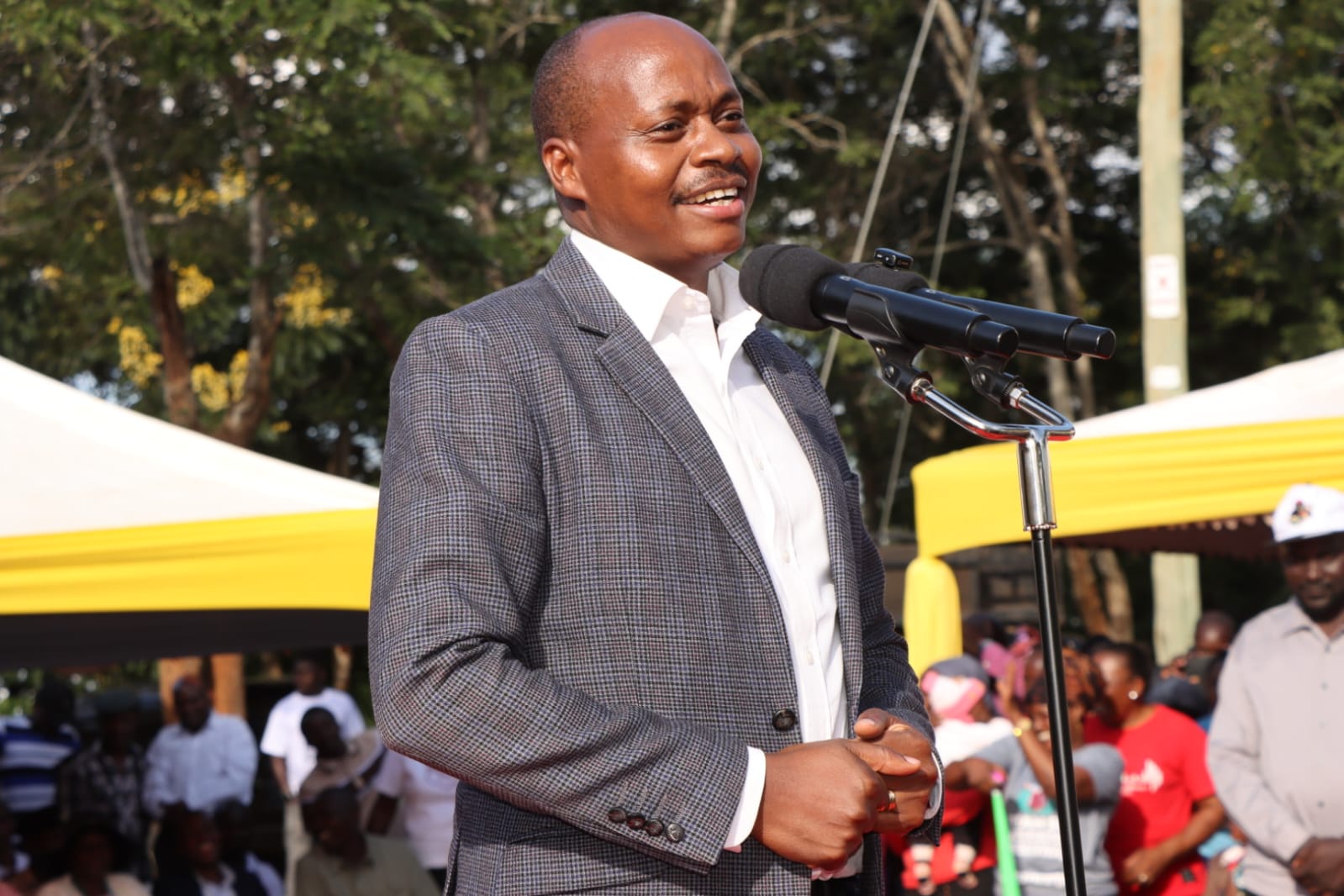
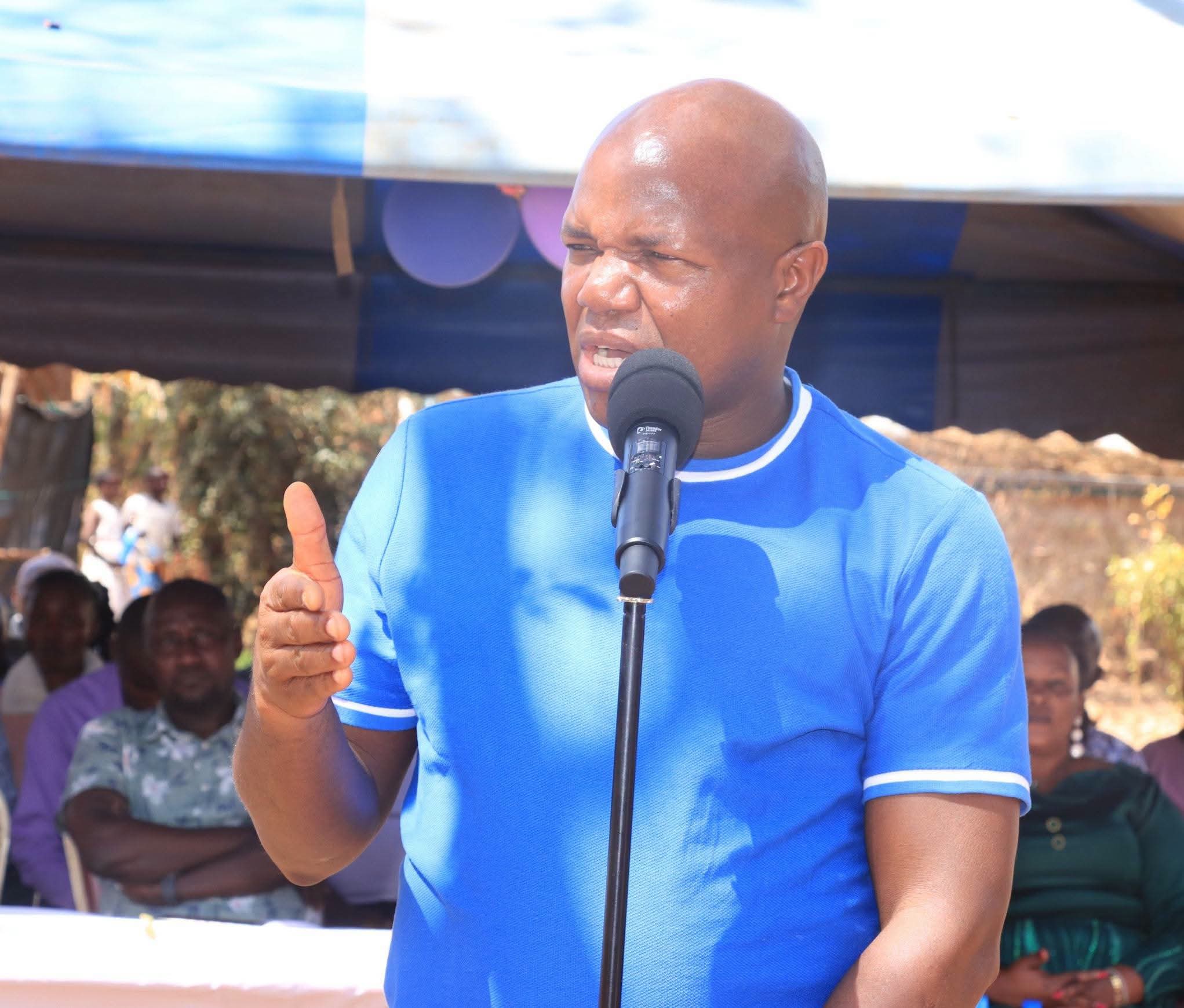
 Machakos Deputy Governor Francis Mwangangi Speaking during a church service at Katangi AIC in Yatta, Machakos County on September 6, 2026. Photo Courtesy.


By Andrew Mbuva.
Machakos Deputy Governor Francis Mwangangi has declared that Kenya has reached what he termed the “Kalonzo moment,” urging Kenyans to consider Wiper leader Stephen Kalonzo Musyoka as the leader capable of restoring confidence in the country and stabilising its international image.
Speaking during a church service at Katangi AIC in Yatta, Machakos County, Mwangangi criticised President William Ruto over the cancellation of the Magadi contract involving Tata Chemicals, warning that the decision could have far-reaching implications for Kenya’s relationship with India and its attractiveness as an investment destination.
Mwangangi drew parallels between Tata Chemicals and Safaricom, describing the Indian company as a major corporate entity whose treatment by the Kenyan government could attract the attention of the Indian government.
He questioned what would happen to Kenyans who could potentially lose their jobs if foreign investors were forced to leave the country.
“Tata Chemicals is equivalent to Safaricom of Kenya in India. What is going to happen between Kenya and India?” Mwangangi posed.
The Deputy Governor argued that Kenya must carefully consider the international consequences of decisions affecting foreign investors, warning that the country risks developing a negative reputation if investors feel unwelcome.
He said Kenya needs leadership that can reassure the international community that the country remains safe for business, investment and engagement with international organisations.
According to Mwangangi, that responsibility would require a leader such as Kalonzo Musyoka, whom he described as capable of restoring confidence among international partners.
“We need someone like Kalonzo Musyoka to stabilise and reassure the international community that Kenya is safe for business, Kenya is safe for investment and Kenya is safe to interact with NGOs internationally,” he said.
Mwangangi also turned his attention to the issue of alleged abductions and the safety of journalists, expressing concern over what he described as a deteriorating security and human rights situation in the country.
He claimed that journalists and government critics were increasingly becoming targets, arguing that Kenyans should be free to criticise the government without fear of reprisals.
The Deputy Governor alleged that specialised security units had been created to deal with individuals perceived to be opposed to the government, claims that have been a subject of heated political debate in recent months.
“Ukisema jambo mbaya kuhusu hii serikali, unatafutwa,” he said, expressing concern over reports of people allegedly disappearing or being killed.
Mwangangi said the situation was damaging Kenya’s image internationally and called on Kenyans to pray for the country and its leadership.
He further warned that continued reports of abductions, deaths and insecurity could undermine confidence in Kenya at a time when the country is seeking to attract investment and strengthen its international partnerships.
“We need to pray for our country and the leadership,” he said, urging Kenyans to seek an end to cases of people disappearing and being killed.
His remarks come as political parties and leaders begin positioning themselves ahead of the 2027 General Election, with Kalonzo Musyoka emerging as one of the opposition figures seeking to challenge President Ruto.
Mwangangi recalled the political environment of 2002, when the country rallied around what was popularly described as the “Kibaki moment,” and argued that a similar moment had now arrived for Kalonzo.
“We need, the way in 2002 we talked of Kibaki moment, it is now Kalonzo moment,” he declared.
He concluded by calling for a change in leadership and urging Kenyans to ensure that the country is placed in “safe hands.”