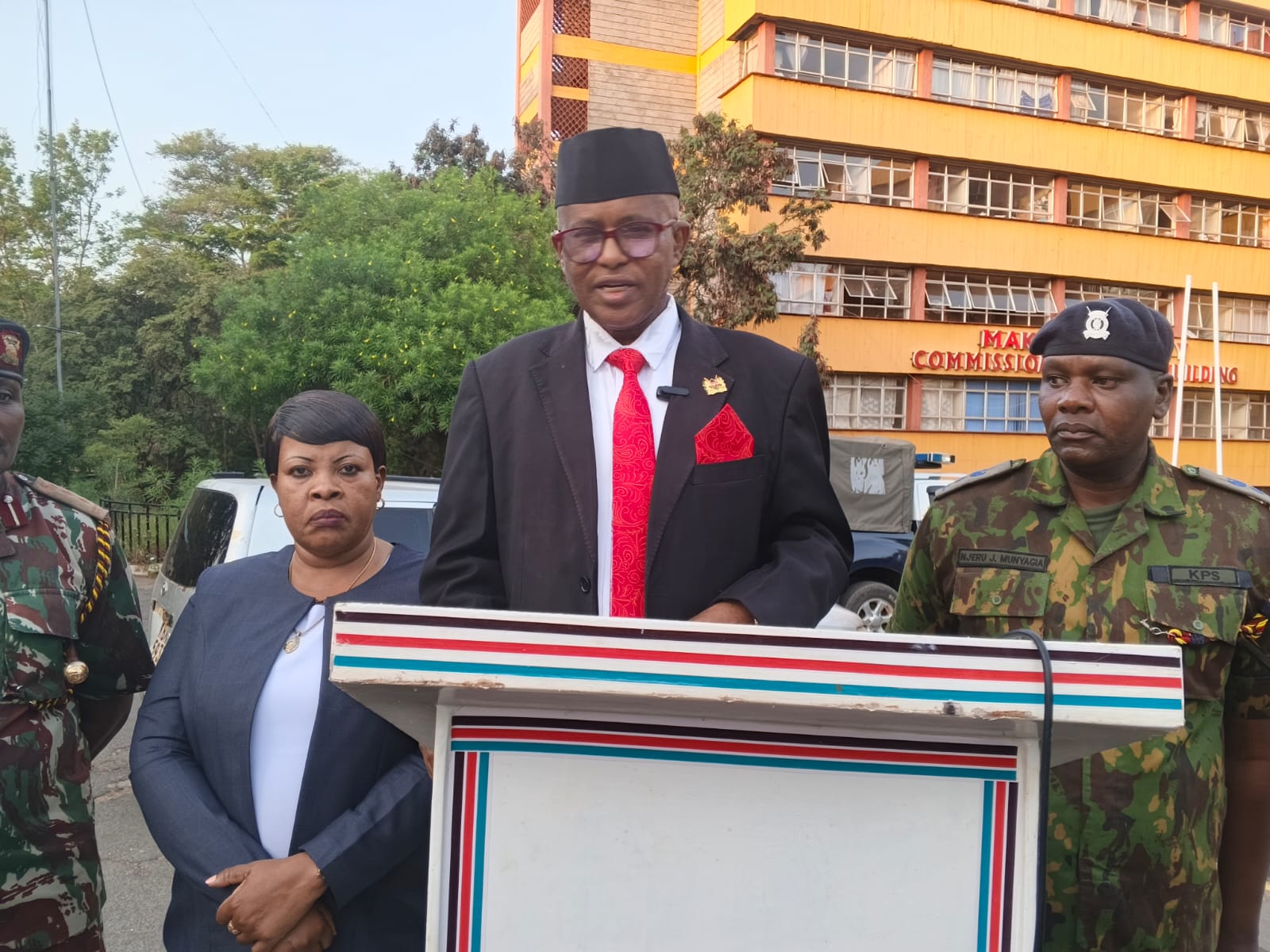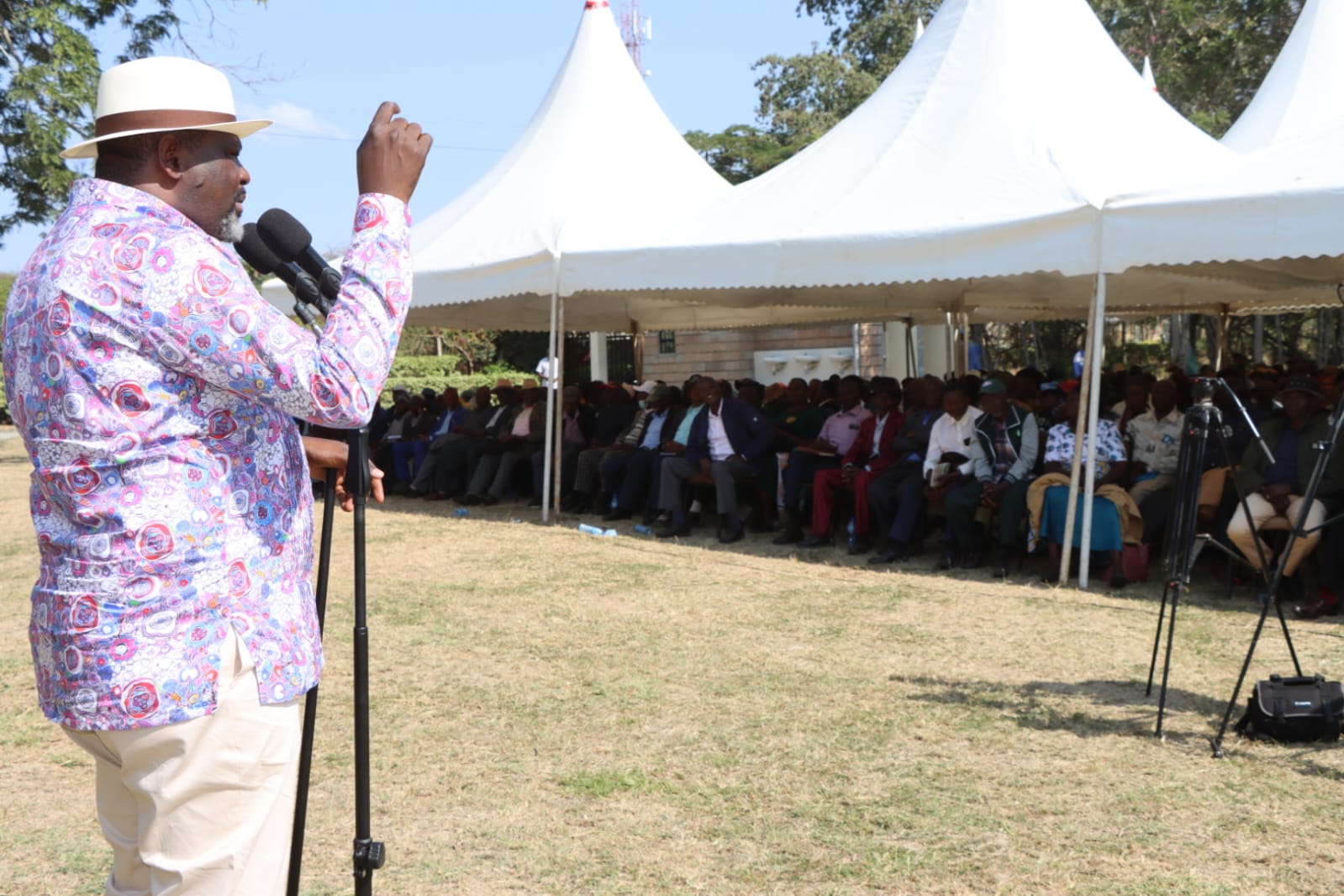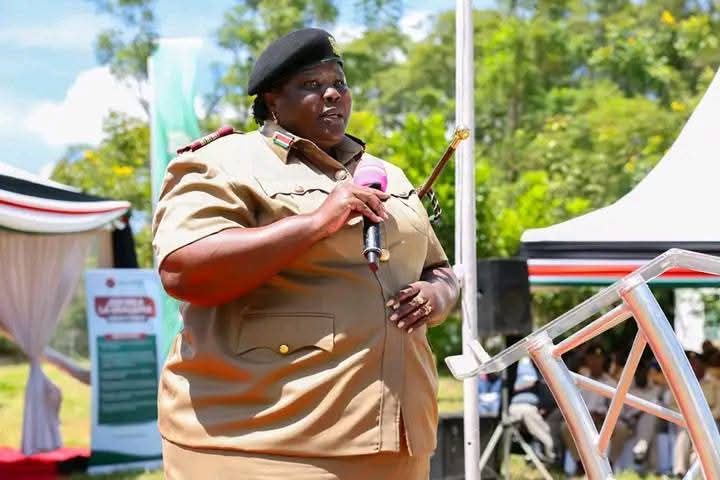
 Machakos Governor Wavinya Ndeti. File Photo


By Andrew Mbuva
Machakos Governor Wavinya Ndeti has hit back at former governor Alfred Mutua after the Labour Cabinet Secretary questioned the sustainability of some projects initiated during his tenure, including the People’s Park.
Wavinya defended her administration’s record, arguing that the county has made significant progress in key sectors over the past four years despite inheriting what she described as challenges in infrastructure, healthcare, agriculture and service delivery.
The governor said the debate over Machakos’ development should not be reduced to individual projects or political theatrics, but should instead focus on the tangible impact of devolution on residents.
She pointed to the Machakos Youth Service (MYS) as one of the programmes established under her administration to equip young people with practical skills, discipline and opportunities for sustainable livelihoods.
According to Wavinya, her administration has also invested in early childhood development through the introduction of the Maziwa ya Mama programme and the ECDE School Feeding Programme, which she said have contributed to improved enrolment, attendance and nutrition among learners.
On infrastructure, the governor said Machakos had experienced years of limited road development but that six major roads are currently at different stages of tarmacking. She added that the county has undertaken extensive grading, opening and rehabilitation of roads across the county.
Wavinya also highlighted investments in the health sector, saying her administration had upgraded health facilities, acquired modern medical equipment, improved diagnostic services and strengthened staffing to bring healthcare closer to residents.
In agriculture, water and food security, the governor said Machakos had made significant strides through investments in water harvesting, irrigation and modern farming techniques.
She said more than 100 surface-water harvesting projects had been undertaken to support irrigation, livestock and household water needs, while farmers have been trained on climate-smart and technology-driven agriculture.
The governor further said the county was supporting improved livestock production through Artificial Insemination services, with the investments positioning Machakos as an emerging food-producing county.
Wavinya also defended her administration’s approach to governance and staff welfare, saying continuous professional development had been introduced to strengthen the capacity of county employees.
She added that payments such as daily subsistence allowances are being channelled directly to employees’ accounts for work undertaken, which she said had strengthened transparency and accountability in the county administration.
Her remarks appeared to be a direct response to Mutua, who has recently raised questions about the sustainability and state of projects initiated during his tenure as governor, including the People’s Park.
Wavinya dismissed what she described as political theatrics, insisting that the people of Machakos were best placed to judge the performance of successive administrations based on the services and development projects they can see and experience.
“The story of Machakos today is therefore not about cameras, staged productions or political theatrics. It is about results, transformation and putting resources where they directly improve the lives of our people,” Wavinya said.
She maintained that four years into her administration, residents could now “see and feel the difference” across various sectors.
The exchange adds a new dimension to the political rivalry between the two former and current governors, with development projects and their sustainability emerging as a key point of contention in the political debate over Machakos’ past and present leadership.