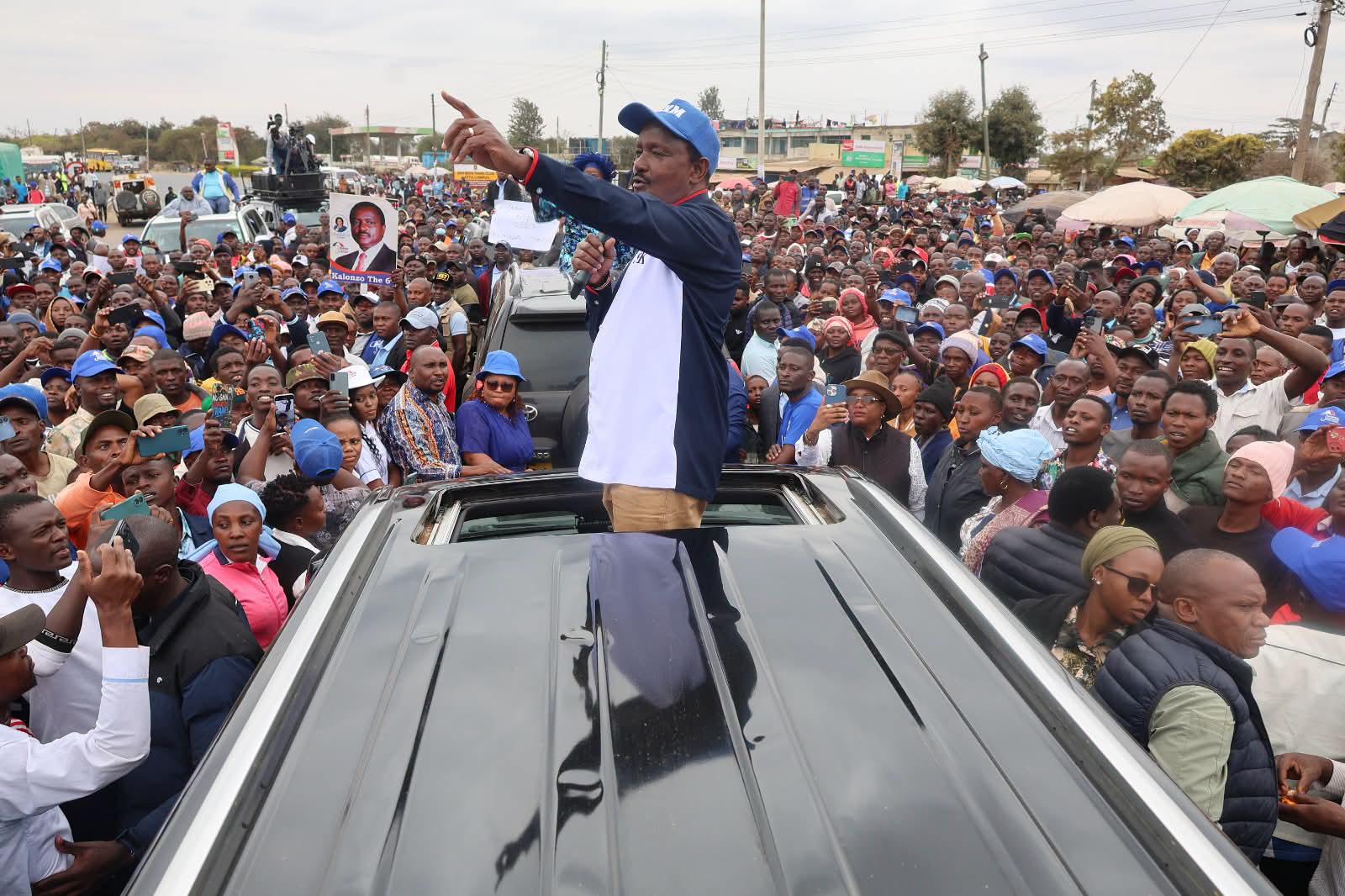
 Wiper Party leader Stephen Kalonzo Musyoka addressing a rally at Kithimani, Machakos County. Photo Courtesy


By Andrew Mbuva.
Wiper Party leader Stephen Kalonzo Musyoka has raised the alarm over what he termed a worrying rise in political goonism and violence as Kenya approaches the 2027 General Election.
Kalonzo warned that the country was headed in the wrong direction, saying political goonism appeared to be advancing into organised armed militia activity as political parties begin gearing up for campaigns.
Speaking during a church service at Redeemed Gospel Church in Kithimani, Yatta Sub-County, Machakos County, the former Vice President called for peaceful campaigns and urged the Government to protect all political players regardless of their affiliations.
Kalonzo condemned the stoning of opposition leaders, rallies and vehicles, saying such incidents were unacceptable in a country with a functioning government.
He cited the violence witnessed during Linda Mwananchi rallies in Homa Bay, where vehicles were reportedly stoned and journalists covering the event had their cameras destroyed, with some allegedly stolen.
“This is not acceptable in a democratic country,” Kalonzo said, warning that continued political violence could plunge the country into instability and make it difficult for Kenyans to freely elect their leaders.
The Wiper leader also called on Principal Secretary Raymond Omollo to resign, arguing that the remaining period before the elections should be used to restore confidence and ensure a peaceful political environment.
Kalonzo further accused the Kenya Kwanza administration of allegedly looking for ways to avoid or interfere with the next General Election, warning President William Ruto against what he described as a political “run-down.”
He insisted that Kenyans would not allow any attempt to undermine the electoral process.
On the Independent Electoral and Boundaries Commission (IEBC), Kalonzo urged officials involved in preparations for the 2027 polls to be conscious that the international community was watching Kenya.
He maintained that the elections must be conducted transparently and competitively, arguing that Kenyans should be allowed to elect their leaders without state interference or capture of democratic institutions.
Kalonzo also came to the defence of retired President Uhuru Kenyatta, urging President Ruto to respect his predecessor and tone down attacks against him.
He said Uhuru had retired honourably after handing over power to Ruto and questioned why the former President's reputation was being subjected to political attacks.
Kalonzo further accused the Ruto administration of worsening the economic hardships facing Kenyans through what he termed excessive taxation, claiming that many citizens had been pushed below the poverty line while young people were increasingly facing severe economic and social pressures.
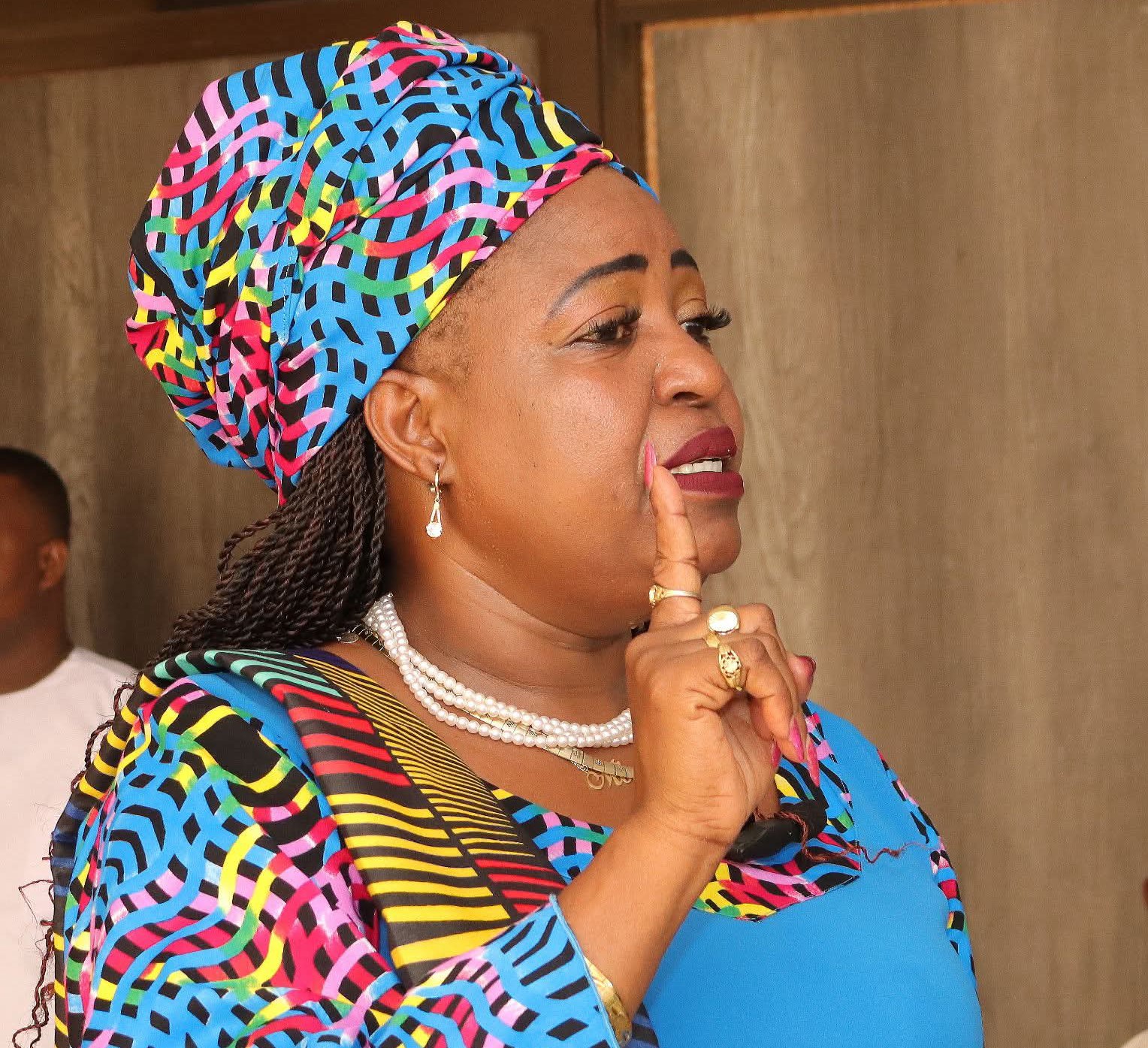
Machakos Governor Wavinya Ndeti echoed Kalonzo's concerns over political violence, calling on President Ruto and security agencies to take charge and guarantee the safety of all political leaders and their supporters during campaigns.
Wavinya said the resurgence of political goonism was dangerous for the country and urged security agencies to ensure every Kenyan was free to participate in political activities without fear.
Her sentiments were supported by Machakos Deputy Governor Francis Mwangangi, who described Kalonzo as a long-standing peacemaker and warned against allowing political violence to escalate.
Mwangangi invoked the 1994 Rwanda Genocide as a cautionary example, saying Kenya should learn from countries that have suffered the devastating consequences of political and ethnic violence.
The leaders urged political actors, security agencies and the Government to prioritise peace and democracy as the country enters the campaign period, warning that unchecked violence could have far-reaching consequences for Kenya's stability.