


By Andrew Mbuva
A family in Maviani village, Makueni County, is appealing for government intervention after severe flooding allegedly caused by the construction of the Itangini–Tawa Road left their homes uninhabitable and destroyed their source of livelihood.
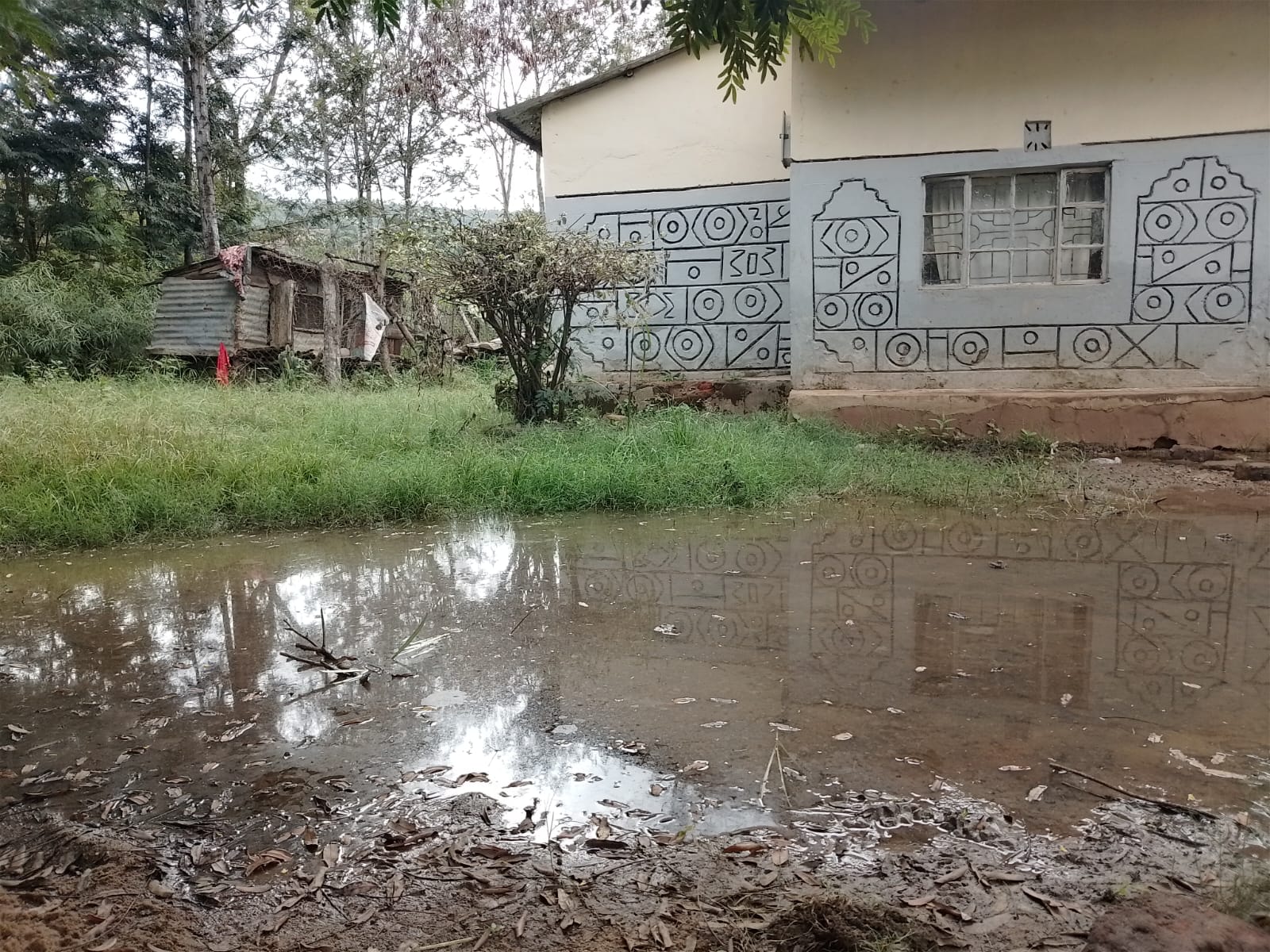
Ms. Rhoda Mativo, a resident of Maviani near the Itangini–Tawa Road, says her family has been forced to abandon their home after floodwaters inundated their compound following the construction of a bridge in the area.
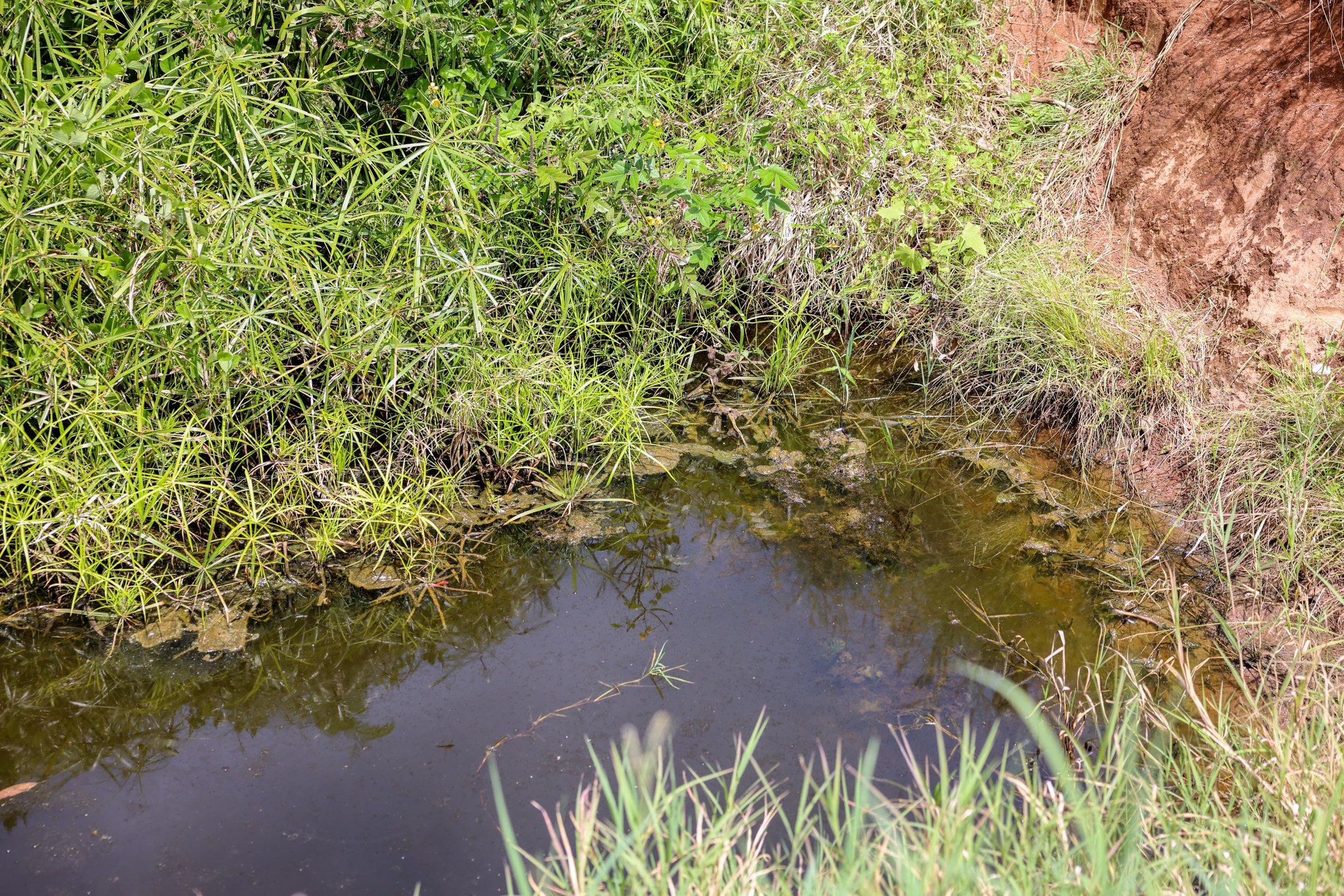
According to Ms. Mativo, the bridge, which was built at Maviani, a few kilometres from Kaumoni Market, altered the natural flow of water from two rivers, causing large volumes of water to accumulate on her land and around her homestead.
"The water from the river and another stream on the opposite side was diverted and ended up collecting around my home. The houses became flooded and some eventually collapsed. We can no longer live there," she said.
She explained that the flooding has not only destroyed her houses but has also rendered her farmland unusable. Crops that had been planted were submerged, while trees on the property have started drying up due to prolonged waterlogging.
Ms. Mativo said the situation has forced her and her children to relocate to a nearby market centre, where they are currently living under difficult conditions.
"I have no money to pay rent because the farm that used to support us is now covered by water. All my houses have collapsed, and I do not even have a proper place to cook. Life has become extremely difficult for us," she lamented.
The distressed mother fears that the situation could worsen if the anticipated El Niño rains arrive before a lasting solution is found.
She has now appealed to both the county and national governments to come to her aid, saying she risks losing everything if urgent action is not taken.
Residents in the area have raised concerns over the impact of the road project on drainage patterns, with some calling on relevant authorities to assess the situation and implement corrective measures to prevent further destruction of property and livelihoods.
The case highlights the growing challenges faced by communities affected by infrastructure projects where environmental and drainage considerations may not have been adequately addressed, leaving vulnerable families exposed to recurring disasters.