


By Stanley Mumo
Members of Parliament sitting in the Joint Committees on Finance and Public Debt & Privatization have assured Kenyans that all public concerns regarding the proposed sale of 15 per cent Government shares in Safaricom PLC will be thoroughly considered before the committees table their final report in the National Assembly.
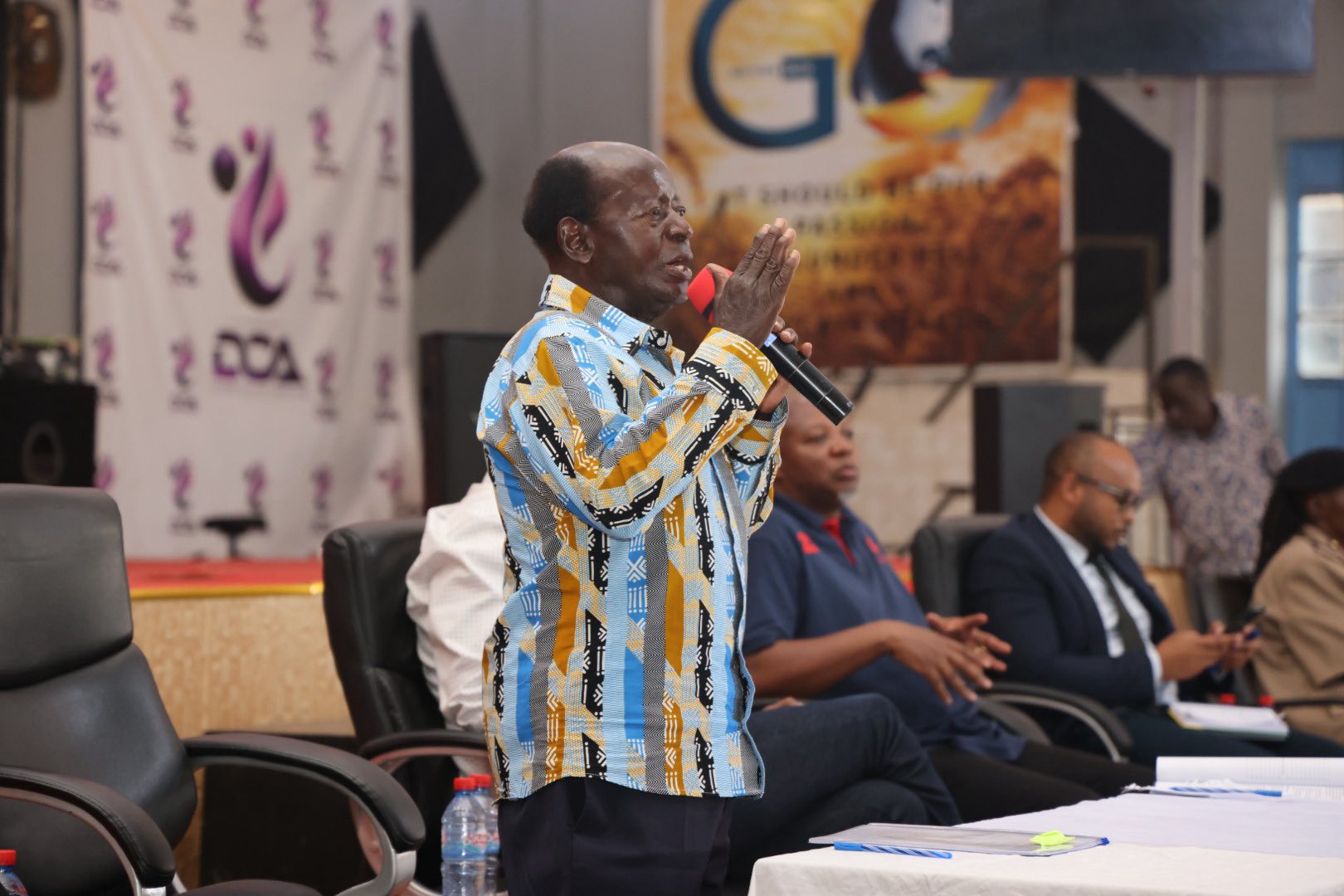
Speaking during a public participation forum held in Vihiga County, a parliamentary delegation led by Nyaribari Masaba MP Dr. Daniel Manduku, pledged that views submitted by citizens would be comprehensively captured and reflected in the committee’s recommendations.
“I urge you to trust in us as your representatives. We have heard you and shall ensure that what you’ve said is captured in our report to the National Assembly,” said Hon. Manduku.
Public Debt and Privatization Committee Chairperson, Abdi Shuriye (Mbalambala), reiterated the gravity with which Parliament is treating the matter, emphasizing that citizen input remains central to the decision-making process.
“Our duty is to convey your sentiments to the National Assembly. We have heard your concerns as well as suggestions,” said Shuriye. “I can assure you that your participation in today’s forum has been impactful in our path towards making this decision as a House.”
Addressing concerns raised by participants regarding the proposed buyer, Vodacom, Shuriye cited an explanation given to the committees by Treasury Cabinet Secretary John Mbadi. According to Shuriye, the Treasury justified the proposed transaction on the basis of pricing, noting that Vodacom had offered to purchase the shares at a premium price of Ksh34 per share, compared to the current market price of approximately Ksh29.
The Chairperson further stated that the Treasury had assured legislators that existing Kenyan legal frameworks would adequately safeguard national interests and protect citizens from potential exploitation by a foreign investor.
Karachuonyo MP, Adipo Okuome, supported the committees’ position, clarifying that the proposal to sell the shares originated from the Executive arm of government through the National Treasury. He stressed that Parliament’s role is to engage citizens and ensure their views influence legislative decisions.
“As MPs, it is our duty to engage members of the public and implement whatever it is you ask of us,” said Hon. Okuome. “We have noted your concerns on the safety of the fund, and we share these sentiments as your representatives.”
The forum attracted mixed reactions from members of the public, with a majority expressing opposition to the proposed sale. Several participants questioned the rationale behind selling shares in a profitable state asset.
“Why sell a profit-making company as opposed to those making losses and costing the government money in each budget cycle?” posed George, a representative from civil society.
Concerns were also raised over the potential transfer of majority control to a foreign entity, possible effects on Safaricom’s School Scholarship Programme, equity in distribution of development projects, risks of corruption, and the adequacy of legal protections for public funds.
Godwel Obonyo questioned how the government intends to distribute the benefits arising from the sale equitably among all citizens. Another participant, Jameson, warned that foreign ownership and control of Safaricom could undermine the company’s independence.
However, supporters of the proposal argued that the sale could ease the tax burden on citizens, boost infrastructure development, and stimulate job creation, particularly in marginalized regions.
“There are no industries in Vihiga. We need factories to create employment for our people. The sale must prioritize marginalized areas,” urged Rachel Adika, a resident.
The parliamentary committees are currently conducting nationwide public participation forums to gather views from Kenyans before finalizing their recommendations on the proposed divestiture of the government’s stake in Safaricom, one of the country’s most profitable and strategic telecommunications companies.