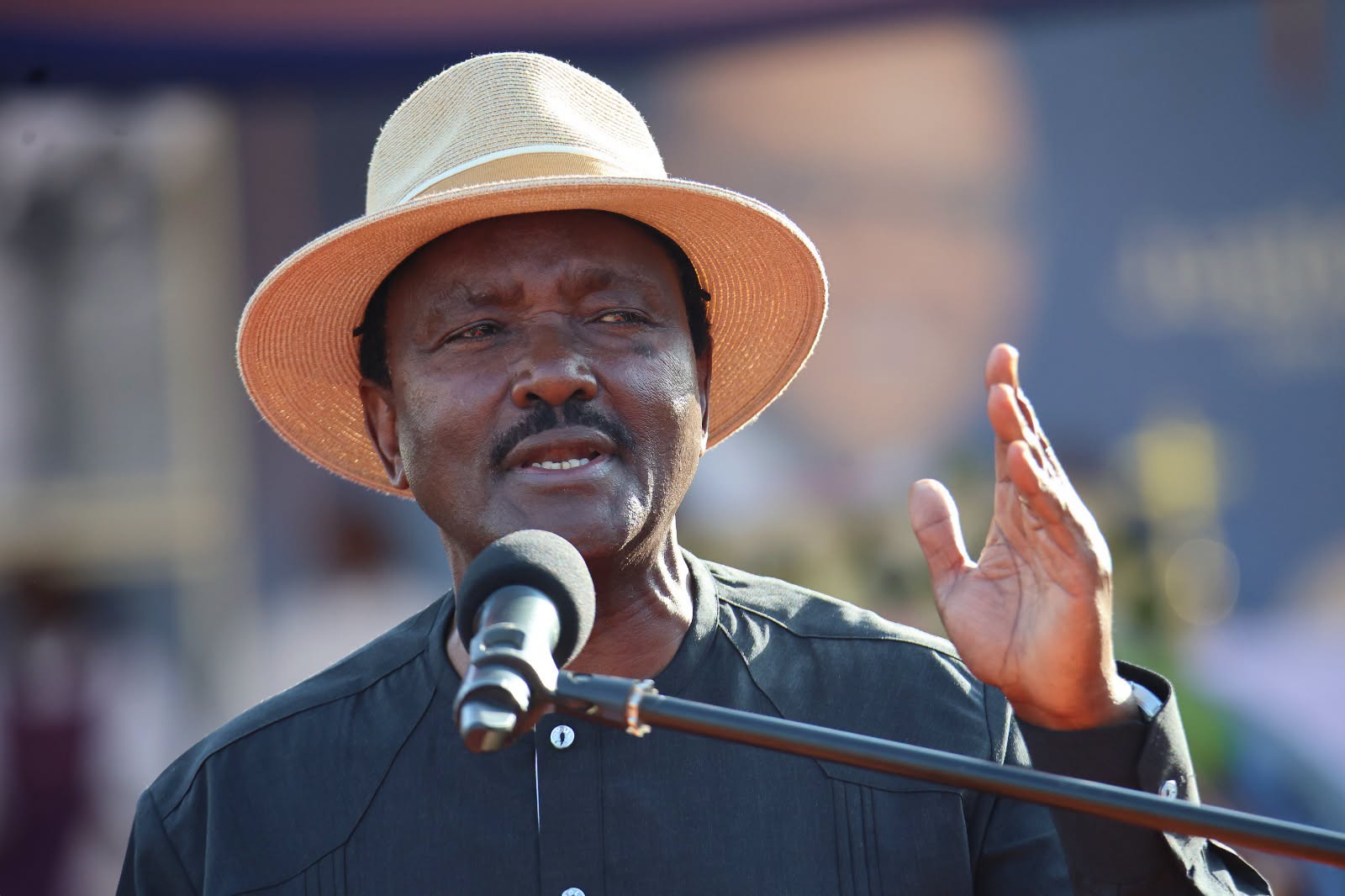
 Wiper leader Kalonzo Musyoka has criticised the government’s ongoing crackdown on foreign traders, accusing the Kenya Kwanza administration of handling the exercise without proper planning, diplomacy or respect for due process.


By Fredrick Kioko,
Wiper leader Kalonzo Musyoka has criticised the government’s ongoing crackdown on foreign traders, accusing the Kenya Kwanza administration of handling the exercise without proper planning, diplomacy or respect for due process.
Kalonzo pointed to scenes of hundreds of small-scale traders scrambling for emergency travel documents outside the Burundian Embassy in Nairobi ahead of a government deadline, saying the situation exposed what he described as a chaotic approach by the government.
He argued that while the government has a responsibility to protect Kenyan businesses and ensure that all traders operate within the law, the exercise should be conducted through dialogue, diplomacy and clear legal procedures.
According to Kalonzo, the major challenges facing Kenyan small-scale traders include corruption, an unpredictable business environment, erratic taxation policies and rising economic pressure.
“The real threats facing our small traders are corruption, an unpredictable working environment, including erratic tariffs and taxation policies, and the political tensions being deliberately stoked ahead of the 2027 General Election,” he said.
The Wiper leader warned that a lack of diplomacy in dealing with foreign nationals could deepen divisions between communities, regions and neighbouring countries while disrupting economic activity.
He further called for transparency in the processing of affected foreign nationals, including any changes to their documentation or legal status, to ensure that the exercise is not exploited for purposes unrelated to trade regulation or border management.
Kalonzo accused President William Ruto’s administration of using the crackdown to project authority while failing to address deeper economic challenges affecting Kenyans.
He maintained that corruption, punitive taxation and a struggling economy remain the biggest threats to Kenyan livelihoods, arguing that the government should focus on creating a stable and predictable environment in which both Kenyan and foreign entrepreneurs can operate legally.
“The country and the region are watching,” Kalonzo said, insisting that the rule of law, diplomacy and dialogue must remain central to government action as Kenya approaches the 2027 General Election.