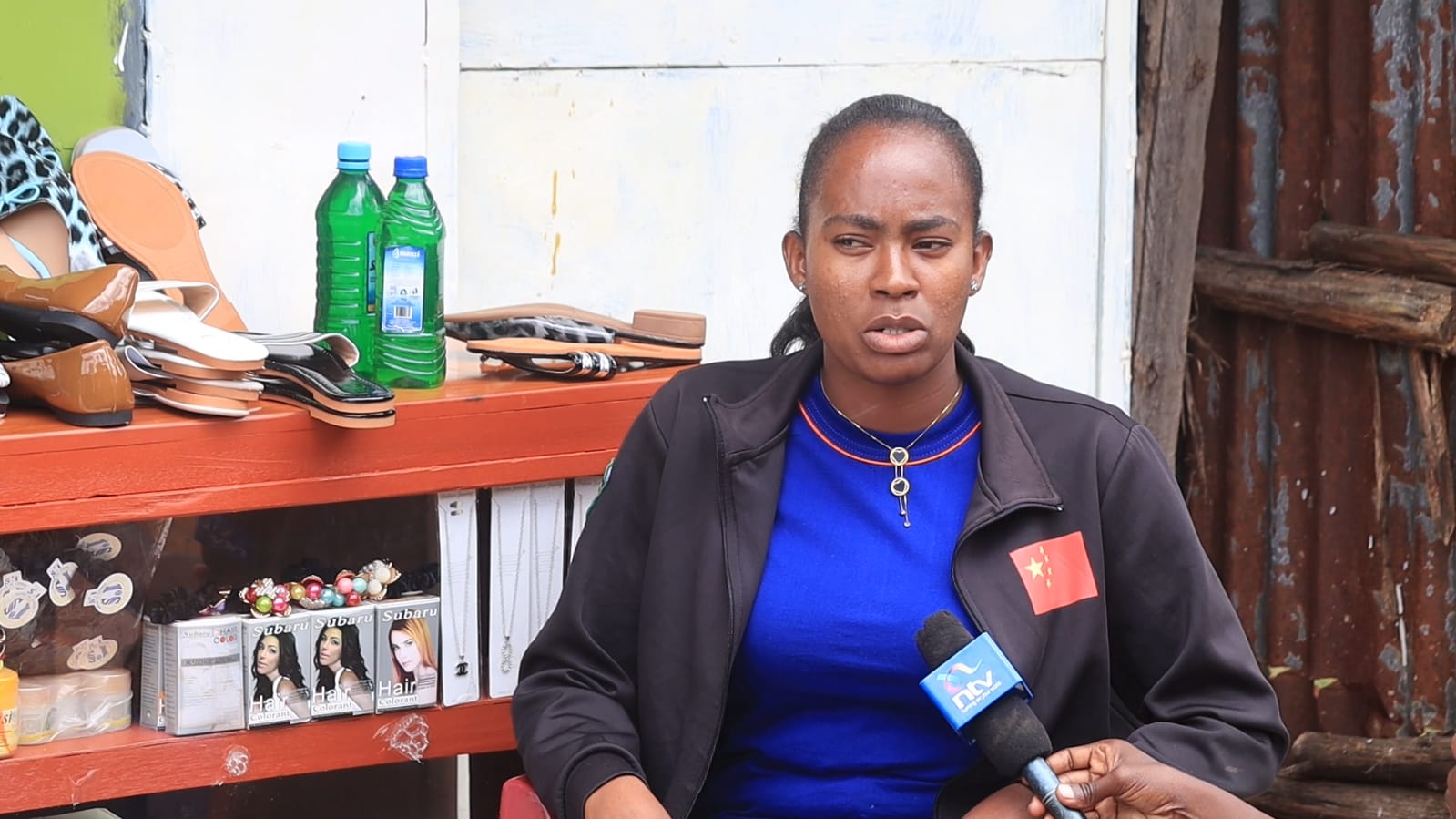
 Elizabeth Mutua, Nyota Beneficiary. Photo by Virginia Siebella.


By Virginia Siebella
Nearly three months after the government rolled out the NYOTA Fund program, disbursing KSh 22,000 to each qualified youth, beneficiaries in Machakos County are reporting a blend of progress, resilience, and ongoing challenges.
The initiative, backed by the World Bank in collaboration with the State Department for Micro, Small and Medium Enterprises (MSME), aims to curb unemployment by equipping young people with capital to launch or grow income-generating ventures. Nationally, the program targets more than 800,000 youths, with each expected to receive up to KSh 50,000 in phased support.
In Machakos County, over 3,000 youths have already benefited from the first tranche, with many venturing into small-scale enterprises.
Some success stories are beginning to emerge. Januaris, a local beneficiary, turned to poultry farming after his initial rabbit project failed. Despite early setbacks, he has since managed to sell broiler chickens and is now shifting focus to indigenous poultry, banking on egg production and organic manure to sustain his farm.
For Celestine Magara, the funds provided a lifeline to expand his second-hand furniture business. The growth has enabled him to employ three workers, although he notes that insecurity remains a significant challenge affecting operations.
Meanwhile, Elizabeth Mutua has tapped into the student market by opening a cosmetics shop in the Kenya Israel estate, targeting learners from nearby KMTC. Demonstrating adaptability, she has diversified her venture into soap-making while also leveraging online platforms to reach a broader customer base.
Despite these gains, the journey has not been without hurdles. Beneficiaries cite issues such as market access, security, and business sustainability as ongoing concerns.
Program coordinator Charles Kithuki says mentorship remains a key pillar of the initiative, particularly for youths preparing to receive the second tranche of funding. He has urged beneficiaries to actively seek guidance and training to navigate challenges and maximize the impact of the support.
As the program progresses, its success in Machakos appears to hinge not only on financial support but also on continued mentorship and an enabling business environment.