
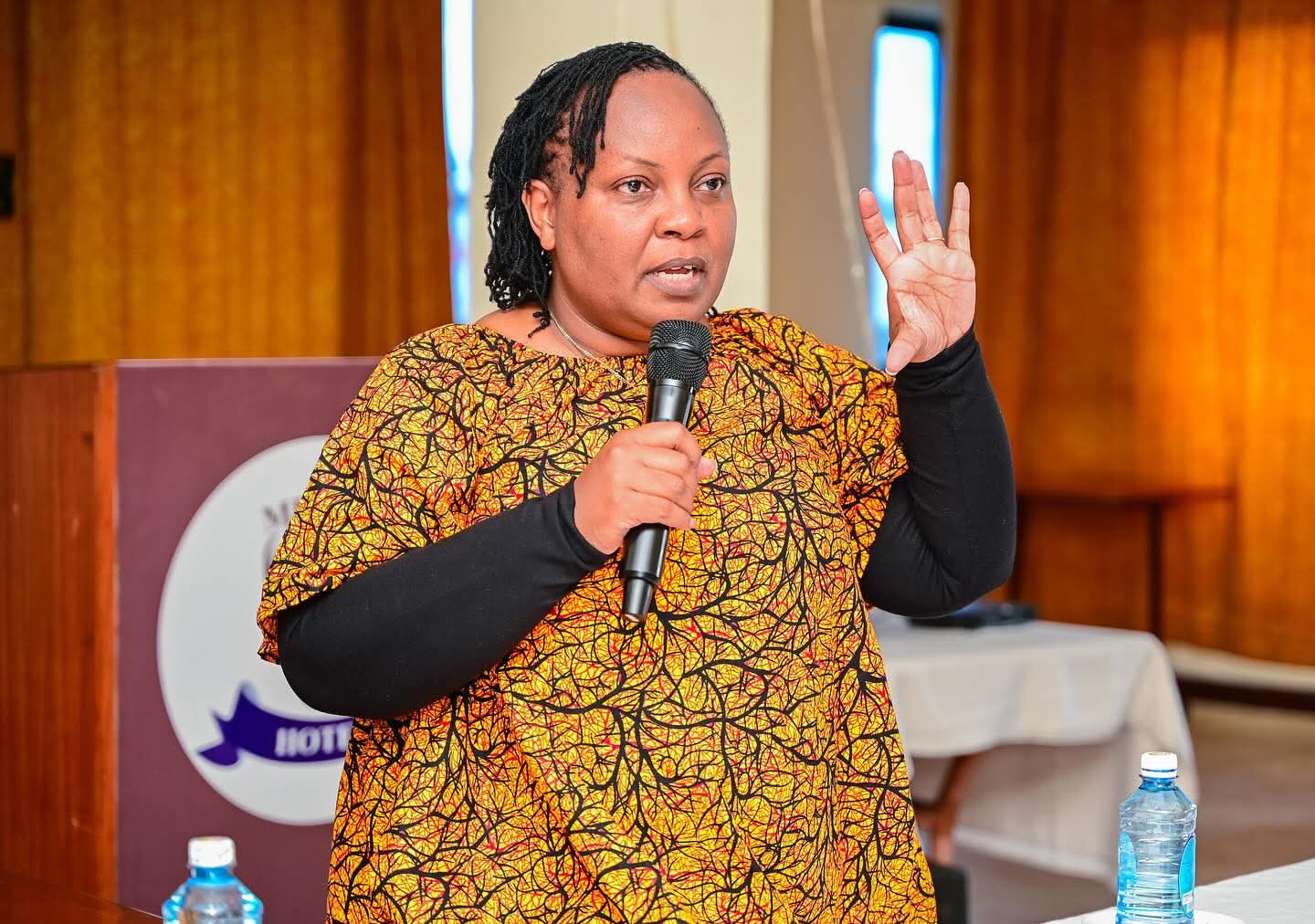
 Acting Director General of Health Dr. Kamene Kimenye in a Past Function. File Photo.


By Andrew Mbuva
Kenya’s health authorities have moved into heightened alert after Ethiopia confirmed its first-ever outbreak of Marburg Virus Disease (MVD) in Jinka, Southern Ethiopia.
The Ethiopian Ministry of Health announced the outbreak following laboratory confirmation of samples collected from a cluster of suspected viral haemorrhagic fever cases, with nine people so far reported to be infected.
Genetic analysis by the Ethiopia Public Health Institute shows the virus matches strains previously detected in East Africa. Marburg, a close relative of Ebola, is a highly infectious and often fatal disease transmitted from fruit bats to humans and spread through direct contact with bodily fluids of infected individuals or contaminated materials.
Early symptoms include high fever, severe headaches, fatigue, and muscle aches, with many patients developing severe bleeding within days. There is currently no licensed treatment or vaccine, though early supportive care significantly improves survival.
In an advisory to all counties, Acting Director General of Health Dr. Kamene Kimenye warned that Kenya’s strong travel, trade, and migration links with Ethiopia place the country at increased risk of cross-border transmission. She urged counties to remain fully alert and take immediate steps to tighten preparedness.
Dr. Kimenye noted that health workers must be sensitized on Marburg case definitions and ensure robust disease surveillance at all points of entry, health facilities, and within communities so that any suspected cases are identified and reported quickly.
She further called on counties to ensure their isolation units are identified, equipped, and functional, and that healthcare workers are properly trained to recognize symptoms, triage patients, and manage or refer suspected cases safely.
To prevent hospital-based transmission, Dr. Kimenye emphasized the need for strict adherence to infection prevention and control measures — including consistent use of protective gear, hand hygiene, and proper waste disposal — and urged counties to stock adequate PPE, disinfectants, and body bags.
She also highlighted the importance of preparing laboratory teams to safely collect, package, and transport samples for testing through the National Public Health Laboratories.
Recognizing the risk of public fear or misinformation, Dr. Kimenye stressed the importance of clear and accurate communication to communities about symptoms, prevention, safe burials, and the need to report unusual illnesses or deaths promptly.
She added that county emergency operation centres should move into alert mode and coordinate closely with national authorities and partners to ensure a unified response.
Alongside county-level interventions, the advisory also urged the public to take personal precautions such as avoiding direct contact with bodily fluids of sick individuals, practicing frequent handwashing, shunning bushmeat, and refraining from traditional burial rituals that involve touching or washing the bodies of deceased persons.
Dr. Kimenye reiterated the government’s commitment to protecting the country from the deadly virus, saying all counties must act swiftly to strengthen preparedness and prevent any possible introduction or spread of Marburg Virus Disease in Kenya.


